Understanding the Cost of Timber Frame Homes with Vision Development
Understanding the Cost of Timber Frame Homes with Vision Development
Building a timber frame home can be a smart choice — combining speed, sustainability, and design flexibility. But one of the first questions anyone considering a self-build asks is: How much is it going to cost? At Vision Development, we understand that budgeting accurately is vital. That’s why our Timber Frame Self-Build Cost Calculator is a key tool in helping you plan — and below, we unpack what goes into those numbers, plus real-world context and considerations to help guide your decisions.
What Affects the Cost of a Timber Frame Home?
The cost of building a timber frame house varies significantly depending on many factors. Based on our calculator (and industry benchmarks), the main cost drivers include:
Build Route
-
- Supply + Erect (Frame kit only): This is where Vision steps in to deliver and assemble the timber structure, but you manage the rest (groundworks, finishes, etc.).
- Weathered Shell: Vision provides the weatherproof structure, including roof finish, windows, doors, and external cladding systems, which allows internal trades to continue in the dry.
- Self-Build (you manage everything): You take control of the trades, procurement, and project management.
- Full Turnkey Build: You hand over the project to a main contractor who manages the build from ground to finish.
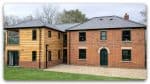
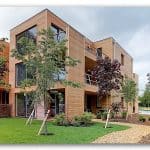
Vision designed and developed ‘Abbey View’ in Bucklebury, incorporating a single skin timber frame structure with an air source heat pump and MVHR system for optimum energy efficiency.
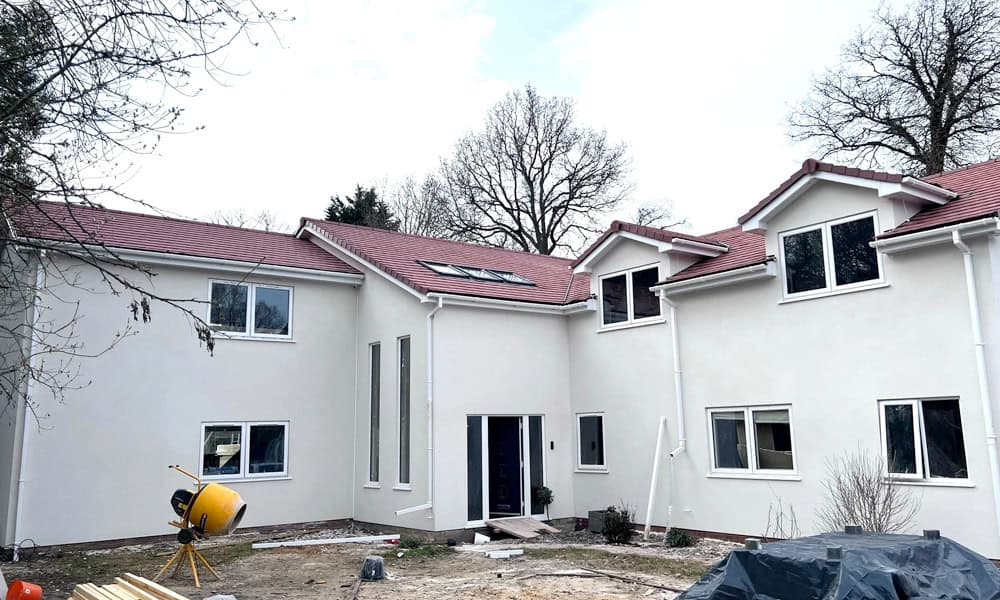
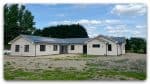
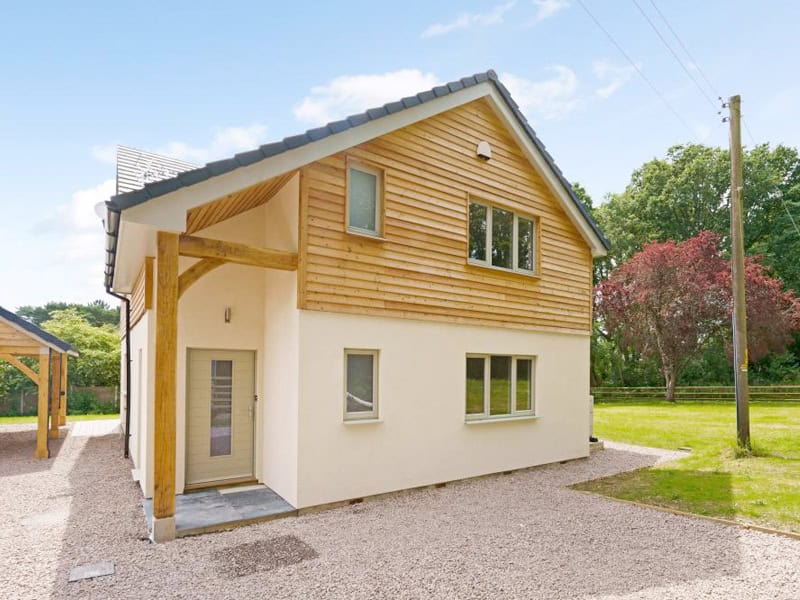
Self-build customers transformed their existing bungalow into this modern home. They took the hands-on approach and even installed the roof themselves, following YouTube videos
Size and Layout
-
- The total floor area (in square metres) is the baseline figure in our cost calculator. Our calculator is set up for two-storey buildings; different layouts (such as bungalows or split-levels) will influence costs. Larger spans of open-plan living require structural supports, extensive glazing, and any cantilevers, so it’s important to keep these factors in mind when planning a new build.
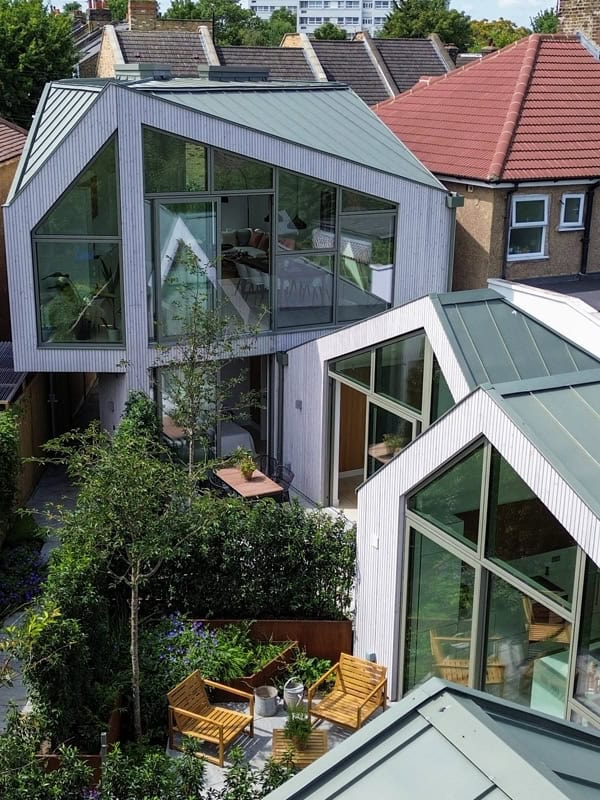
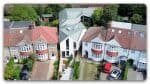
Developers in London have designed a diamond-shaped development consisting of three homes on the site of an old storage depot in Balham. The large angular windows and soaring vaulted ceilings create three exciting and sustainable homes.
Professional and Site Costs
-
- Architect, planning, and engineering fees.
- Building regulations and planning fees.
- Surveys, including soil surveys and infiltration testing.
- Scaffolding and a structural warranty.
- Site preparation and setup — fencing, cabins, welfare, CDM.
- Groundworks like foundations, drainage (soakaways, foul/surface water), and site set-up.
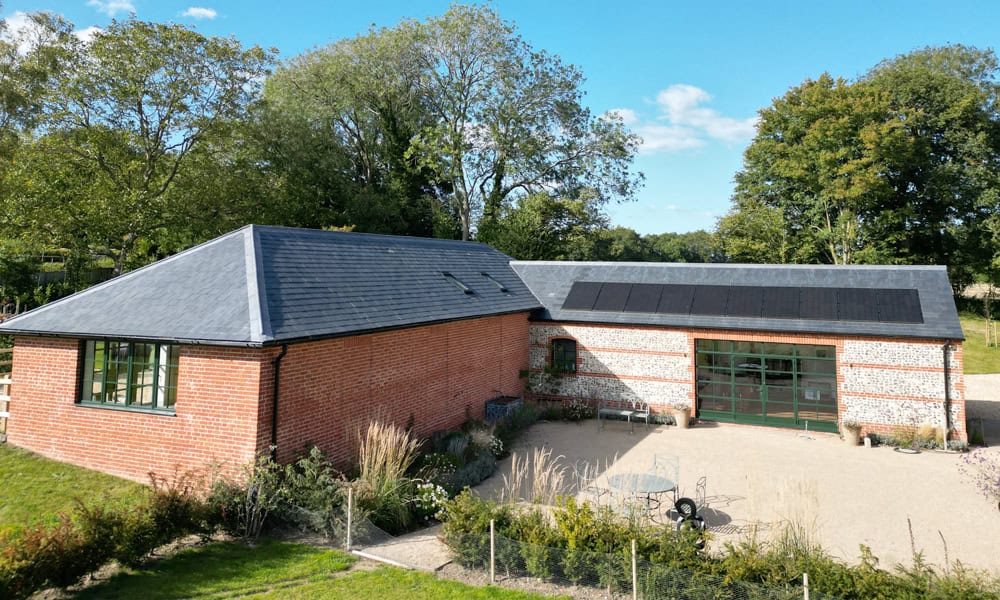
We have outlined some of the current prices for building items based on industry standards on our Calculator page. These prices serve as guides to estimate the likely costs of constructing a new timber frame house.
Building (Timber Frame Structure)
-
- Structural design complexity affects the costs of building a timber frame home, particularly with features such as open-plan living layouts, non-standard shapes, vaulted ceilings, and cut roofs; attic trusses add significant engineering and material expenses.
- Timber frame specifications, closed vs open panel systems, with additional insulation and boarding, cost more but reduce on-site labour.
- Higher U-values or Passive (low-energy spec) requirements necessitate increased insulation, additional airtightness membranes, and improved sealing tape systems. These enhancements can meaningfully raise the timber frame cost.
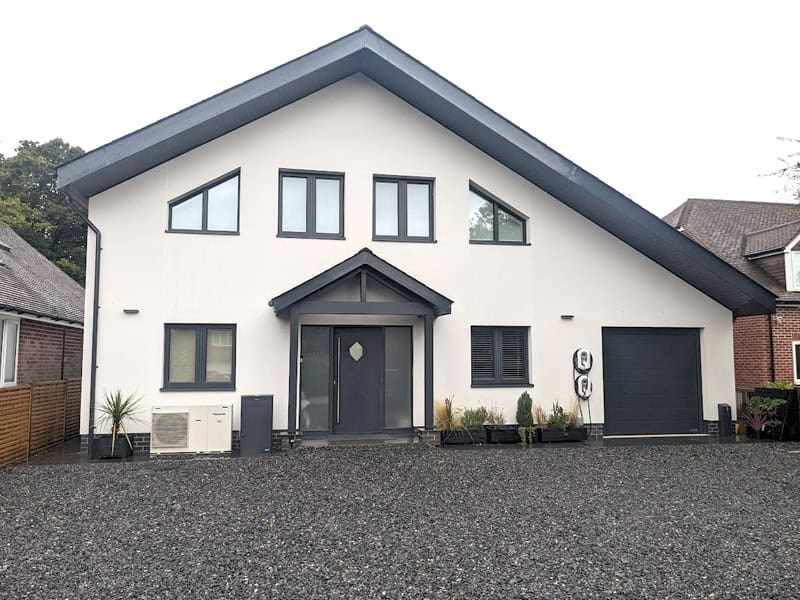
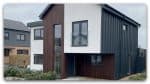
Self-build customers collaborated with their appointed architects to design a ‘near Passive House’ that met their performance requirements, including thermal performance and airtightness, without the need for formal certification. Vision supplied the insulated timber frame structure and windows & doors.
Why Use Vision’s Self-Build Cost Calculator ?
- Transparency: Our calculator breaks down costs clearly — from foundations to insulation, from carpentry to plumbing. Customisable: Enter your total floor area, choose your build route, and see estimates tailored to your project.
- Realistic Assumptions: The default spec is based on a “typical self-build” – not ultra-luxury, but not bare bones either — giving a balanced middle ground.
- Downloadable Report: Once you’ve input your data, you can get a PDF breakdown — great for sharing with architects, lenders, or contractors.
- Flexible Advice: If your build deviates from a standard two-storey structure (e.g., a bungalow or an extension), we’re ready to provide bespoke advice and more refined cost estimates.
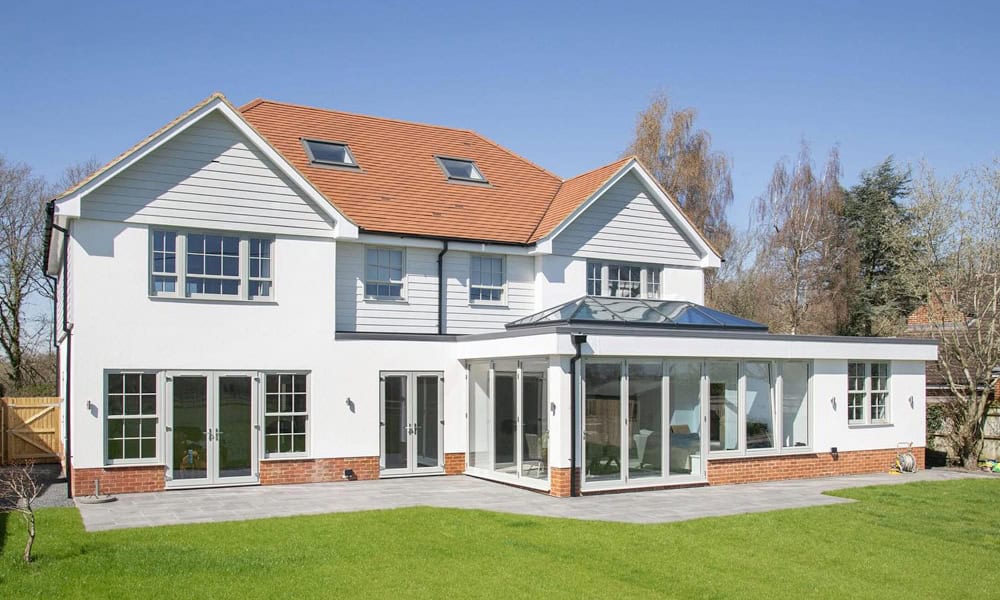
Many self-build clients opt to upgrade an existing property, whether by adding extensions to increase space and value or by transforming a bungalow’s footprint into a two-storey home. Bungalow-to-house conversions are ideal projects for timber-frame construction
Key Considerations When Budgeting
- Contingency: Always add a buffer (typically 5–10%) to your budget. Unexpected costs on site arise — from ground conditions to supply delays.
- Specification Choices: Higher insulation, premium cladding, or more glazing will raise costs. Conversely, more modest finishes help keep things under control.
- Project Management: If you self-manage, you can save but must be ready to coordinate trades, check quality, and handle procurement. Using a main contractor brings cost certainty, but you’ll pay for that convenience.
- Long-Term Savings: Timber frame homes often deliver excellent thermal performance, meaning lower heating bills. While the upfront cost can seem high, there’s value in energy efficiency, especially in the long term.
- Rising Costs: Building costs are not static. Material prices, labour rates, and regulation fees evolve. It’s wise to consider timing and to lock in quotes if possible.
At Vision Development, we believe that building a timber frame home should feel empowering, not opaque. Our self-build cost calculator is a practical tool to give you a grounded estimate based on real-world cost categories — all before you commit to major decisions.
That said, every self-build is unique. While the calculator gives a strong starting point, the most accurate cost plan comes from a tailored proposal. Once you know your design, plot, and specification preferences, our team can help turn estimates into a detailed, fixed-price quote.
See how Vision can help you …
If you’re serious about building your timber frame home — whether managing the project yourself or going turnkey — get in touch with Vision Development. We’d be pleased to run through your figures and support you from budgeting through to build completion.
📞 Call us: 01189 712181
📧 Email: info@vision-dsl.com
…to request a free, no-obligation quote.